
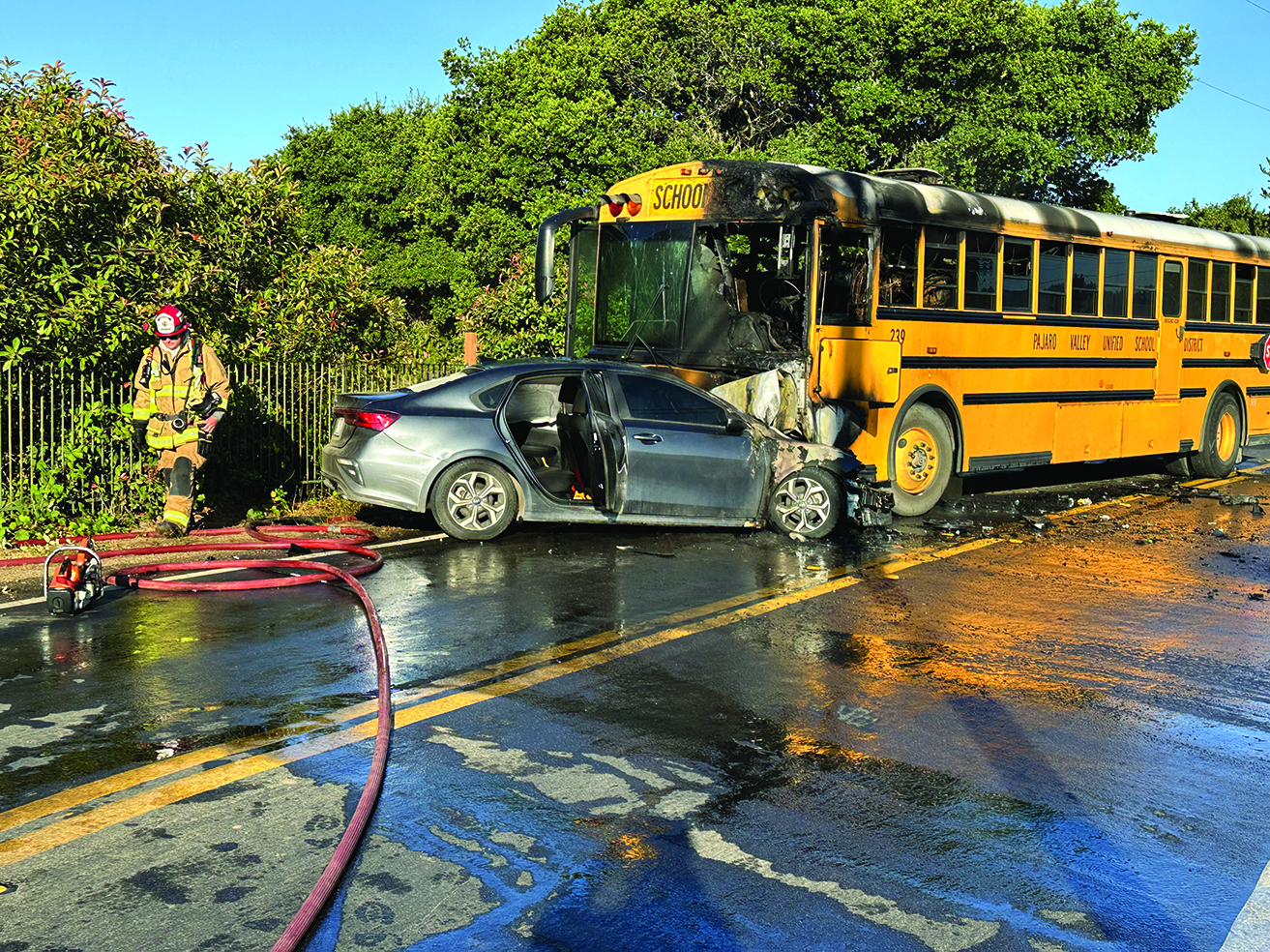
Liability for bus accidents in Detroit is determined by several key factors, including the bus driver’s actions, the unique circumstances surrounding the crash, the ownership of the bus, whether the bus driver was acting within the scope of his or her employment, and whether other parties’ negligence may have contributed to the accident.
If the bus is government-owned, the motor vehicle exception to governmental immunity allows injured parties to hold the government responsible for negligence in operating the vehicle. However, individual government employees, such as bus drivers, are typically protected from liability unless their actions amount to gross negligence.
In cases involving privately owned buses, liability may fall on the bus company or owner through vicarious liability or negligent entrustment. Michigan’s owner liability statute may not apply, as buses are excluded from the statutory definition of “motor vehicle.”
Similarly, the bus driver’s employer may be responsible under the doctrine of respondeat superior which provides – according to the Michigan Supreme Court in Hamed v. Wayne County – that an “employer is generally liable for the torts its employees commit within the scope of their employment.”
Other potentially liable parties may include:
- Other drivers involved in the crash
- Government agencies responsible for road conditions
- Individuals who knowingly allow impaired persons to drive buses
An experienced Detroit bus accident lawyer who specializes in motor vehicle accidents can help you sort through all of the facts and circumstances and determine liability in your bus passenger injury claim.
Potentially responsible parties for a bus crash
There are several parties that could potentially be held responsible in a case, including:
- Governmental agencies – Governmental agencies that own buses, such as public transit authorities, school districts, and municipalities, can be held responsible under the motor vehicle exception to governmental immunity so long as the resulting “bodily injury” resulted from “the negligent operation” of the bus “by any officer, agent, or employee of the governmental agency.”
- Individual bus drivers – Bus drivers can be held responsible, but the standard of liability differs depending on whether they are employed by a governmental agency or a private entity. For bus drivers employed by governmental agencies, MCL 691.1407(2)(c) provides immunity from tort liability unless the bus driver’s “conduct” that causes the victim’s injury amounts to “gross negligence,” which is defined as “ For bus drivers employed by private entities, the standard for holding them responsible for a bus crash is ordinary negligence, i.e., whether the bus driver failed to exercise the “ordinary care” that “a reasonably careful person would use” under the circumstances. (M Civ JI 10.02)
- Private bus owners – Under Michigan’s “owner liability” law, MCL 257.401(1), a private bus owner may be held responsible for an injury resulting from a crash in the Motor City if the injury was “caused by the negligent operation of the bus.” Additionally, private bus owners may also be held responsible under common law theories of negligent entrustment or vicarious liability. If a bus owner negligently entrusts their bus to an incompetent or unqualified driver, the owner may be held responsible for resulting damages. Similarly, under the principle of respondeat superior, employers are generally responsible for the negligent acts of their employees committed within the scope of their employment.
- Intoxicated drivers – Both drivers and those who knowingly allow intoxicated drivers to operate buses can be held responsible under MCL 257.625(1) and (2), which prohibits: (1) operating a vehicle while intoxicated; and (2) authorizing or knowingly permitting a vehicle to be operated by an intoxicated person. Violation of this statute can result in both criminal penalties and civil liability.
- Government agencies in charge of road maintenance – Governmental agencies responsible for maintaining highways can be held responsible for a crash caused by a roadway that is not maintained “in reasonable repair so that it is reasonably safe and convenient for public travel.” Under MCL 691.1402(1), which is known as the highway exception to governmental immunity, such agencies have a duty to “to keep a highway under its jurisdiction in reasonable repair and in a condition reasonably safe and fit for travel.” If a crash results from the failure to fulfill this duty, the responsible agency can be held responsible for resulting damages.
How can an attorney help me with my case?
A skilled and experienced attorney plays a crucial role in protecting your rights and maximizing
your recovery. Your lawyer will:
- Identify all potentially responsible parties, including drivers, bus companies, or governmental entities
- Conduct a comprehensive investigation into the circumstances of the crash
- Collect, preserve, and analyze key evidence such as surveillance footage, witness statements, and accident reports
- Review and verify all available insurance coverages to ensure you access every possible source of compensation
- Accurately calculate the full scope of your damages, including current and future medical expenses, lost income, and pain and suffering
- Assist you in securing Michigan no-fault benefits to help cover medical bills, rehabilitation, and wage loss
- Prepare and file a lawsuit for noneconomic damages and any excess economic losses not covered by no-fault insurance
- Negotiate aggressively with insurers or defense attorneys to obtain a settlement that truly reflects the full value of your claim
Having the right attorney can make all the difference, fighting to ensure that you are not just fully and fairly compensated, but also fully supporting you throughout the process
How long does a settlement take?
Bus accident cases can be complex, often involving multiple parties, government agencies, and layers of insurance. With a knowledgeable and experienced attorney handling your claim, most cases are resolved within several months to two years. However, the timeline for your specific case will depend on a variety of critical factors, including:
- The severity and long-term impact of your injuries
- Whether your injuries meet Michigan’s legal threshold for a “serious impairment of body function”
- Your medical diagnosis, prognosis, and need for ongoing treatment or rehabilitation
- The cost of your medical care, both current and anticipated
- Your ability to return to work and the extent of any lost income or earning capacity
- The identity of the defendant(s) and whether the case involves a private bus company or government-operated transit system
- The insurance coverage available through the at-fault party’s policy
- The attitude, cooperation, and negotiation strategy of the insurance company, adjuster, and defense counsel
- The time required for discovery, including depositions, records requests, and expert evaluations
- The outcomes of case evaluation, facilitation, or mediation sessions
- Whether a trial becomes necessary due to disputed liability or damages
- The expertise, focus, and litigation history of the attorney you choose to represent you
The right legal representation can streamline the process, reduce delays, and significantly
improve your chances of receiving a timely and full settlement.
How do I choose a lawyer for my case?
When choosing a lawyer for your case, there are five key qualities you should look for:
- Experience – How many bus accident cases has the attorney successfully handled? Have they dealt with both private and publicly operated buses, including cases involving municipal transit authorities?
- Specialization – Does the attorney focus exclusively on bus accident and personal injury law? An attorney who dedicates their entire practice to this area is more likely to understand the unique challenges and nuances of these cases.
- Proven track record – Has the attorney secured high-value settlements or verdicts, including million-dollar-plus results? Their history of success can be a strong indicator of their skill and negotiation power.
- Strong reputation – Is the attorney recognized as a tenacious advocate who won’t hesitate to go to trial if a fair settlement isn’t offered? A reputation for aggressive litigation often motivates insurers to settle more favorably.
- Client reviews – What do past clients say about working with this lawyer? Look for consistent 5-star reviews and feedback about communication, responsiveness, professionalism, and compassion throughout the legal process.