JPJ takes modded motorcycle owners to court
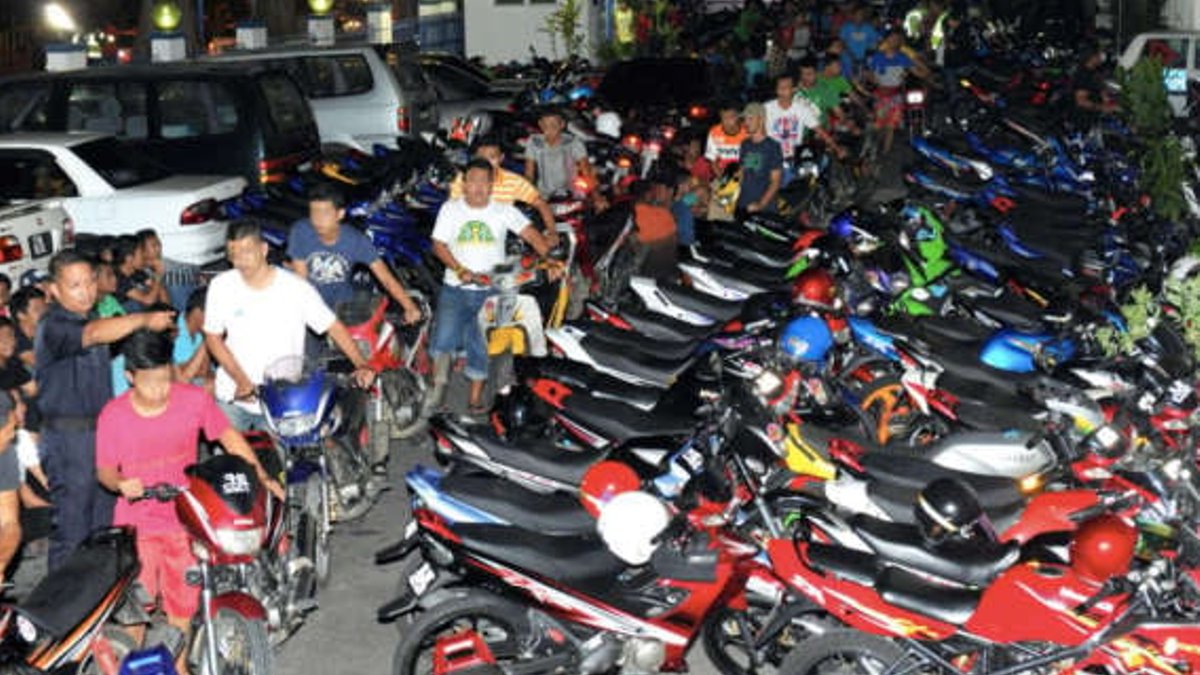
Malaysia’s Road Transport Department, known as JPJ, has changed its approach to dealing with extreme motorcycle modifications. Instead of just issuing fines and seizing vehicles, officials will now take offenders directly to court under Section 42 of the Road Transport Act 1987.
JPJ senior enforcement director Datuk Muhammad Kifli Ma Hassan announced the new strategy during the launch of Ops Motosikal (Ekstrem) at JPJ headquarters. He said that since the beginning of 2026, over 300 modified motorcycles have been seized. Three investigation papers have been opened under the provision and received consent for prosecution from the Deputy Public Prosecutor.
Related: Scorching On-line Deals
What counts as extreme modification
Common extreme modifications include ultra-thin tires known locally as tayar sotong, unauthorized engine swaps, extended swingarms, changes to or erasure of the Electronic Control Unit (ECU) system, and removal of rear brakes. These alterations compromise the original safety features of the vehicle.
“JPJ takes a serious view of this trend of extreme motorcycle modifications that do not comply with set specifications because it compromises the original safety features of the vehicle and increases the risk of road accidents,” Kifli said in a report. “Those involved are mostly youths aged 18 to 30, but there are also cases involving school students as young as 12.”
New task force and enforcement numbers
JPJ has formed a new task force called Team Falcon to conduct weekly enforcement operations targeting highly modified motorcycles and their riders. The department issued 848,885 notices to motorcyclists for various offenses in 2024, followed by 711,722 in 2025 and 252,118 up to May 2026.
Related: The First-Time Car Buyer: How to Ensure Your Purchase is the Best Possible Fit
Kifli added that 38,959 motorcycles have been seized under Section 64(1) of the Road Transport Act 1987 for offenses since 2021. Summons will not only go to riders but also to the registered owner of the motorcycle, including parents if the vehicle is registered under their name.
That means a 17-year-old with a modified bike registered to his father could land the parent in court too. It’s a shift that puts more pressure on families to keep an eye on what their kids are riding.
Related: Motorcycle Crash Versus Passenger Vehicle Crash: What’s The Difference In Michigan?
Workshops under review
JPJ is also studying the legal ramifications of prosecuting workshops that perform illegal motorcycle modifications. Kifli said further reviews will be conducted before any announcements are made. The department plans to collaborate with the Ministry of Domestic Trade and Cost of Living, the Royal Malaysian Customs Department, and local authorities to ensure that components used comply with established regulations.
Whether this will actually slow down the underground modification scene remains to be seen. Enforcement alone rarely solves a culture problem, but taking cases to court rather than just issuing compounds raises the stakes for everyone involved.


